

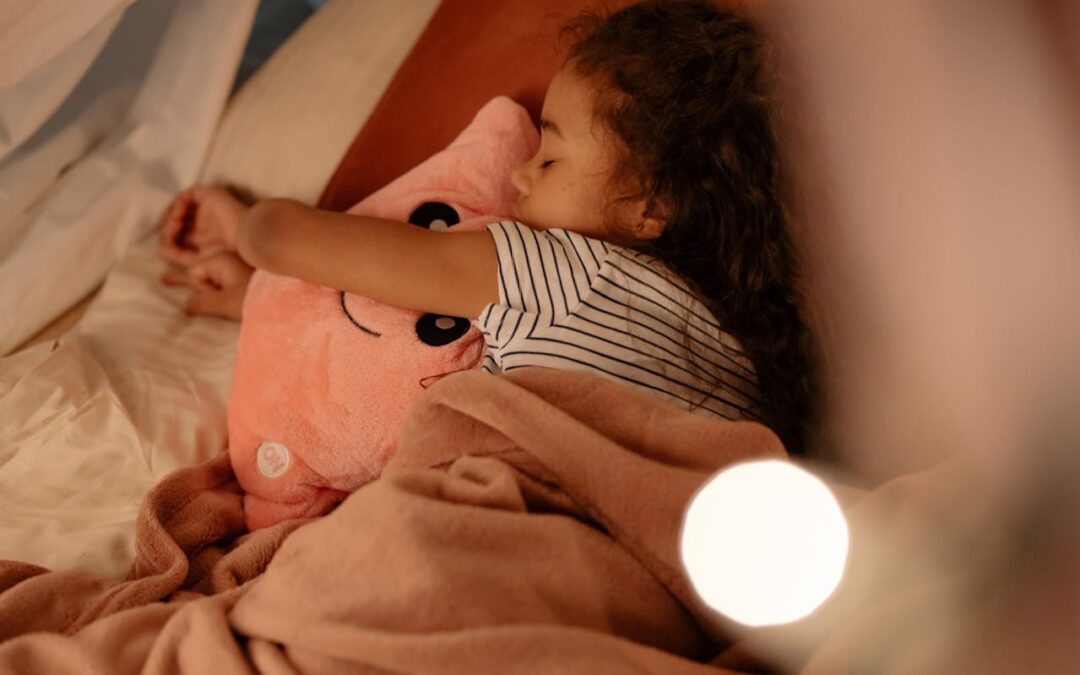
If you’re a parent of a toddler, you know the bedtime struggle can be real. From endless requests for water to a sudden burst of energy right before bed, helping your little one settle into restful sleep is often easier said than done. The good news? With the right environment, routine, and even a little play, you can make bedtime smoother and nights more peaceful.
Better toddler sleep isn’t about quick fixes — it’s about creating a balanced rhythm of play, calm, and consistency. With the right furniture and routines, your child’s room can become a space where they not only play joyfully during the day, but also rest peacefully at night.
At Emma & Olli, we believe sleep and play are connected — and the choices you make during the day can have a big impact on your child’s rest at night.
1. Create a Sleep-Friendly Environment
Toddlers feel safest in spaces that are cozy, predictable, and theirs. That’s why investing in the right bed can make all the difference.
-
Children’s Beds & House Beds: Low to the ground, they encourage independence while keeping your child secure. House beds add a playful, comforting touch — turning bedtime into something special.
-
Cribs: For younger toddlers, a high-quality crib creates a safe, calming spot that helps little ones recognize it’s time to rest.
💡 Tip: Keep the bedroom dimly lit, with minimal distractions. A soft night light and breathable bedding create a soothing atmosphere.


2. Encourage Active Play During the Day
Toddlers have energy to burn. If they don’t get enough opportunities to move, climb, and explore during the day, that energy often shows up at bedtime.
That’s where sensory and movement play comes in. Montessori-inspired climbing frames, rockers, and swings give toddlers the chance to:
-
Build balance and strength
-
Regulate their energy
-
Practice independence and confidence
By engaging in active play before dinner, children are more likely to release pent-up energy and transition calmly to bedtime.


4. Build a Consistent Routine
Consistency is key. Children feel secure when they know what comes next. A predictable routine might look like this:
-
Active play in the afternoon (climbing, swinging, or tumbling)
-
Calm dinner together as a family
-
Bath time and teeth brushing
-
Storytime in their house bed or crib
-
Soft music or white noise as they drift off
Tip: Try to keep the bedtime and wake-up time the same every day — even on weekends.
3. Sensory Play for Calm Evenings
Not all sensory play is high-energy. Activities like gentle rocking in a cocoon swing or stretching across a soft play foam block set can provide the deep pressure and vestibular input toddlers need to regulate their nervous system.
💡 These calming movements help prepare their bodies for rest, easing the transition from play to sleep.
5. Support Independence
Part of the Montessori approach is empowering children to do things on their own. A floor bed or house bed allows toddlers to climb in and out themselves, giving them a sense of control. When children feel independent and secure in their space, bedtime struggles often decrease.